The Michigan Oncology Quality Consortium and the Center to Advance Palliative Care (CAPC) proudly celebrated the success of Cohort 1 of the Palliative Care Certificate Program at the Capstone Event on December 18, 2025.
Attended by MOQC, POQC, and CAPC staff and faculty, along with partners from BCBSM and CQIO, the event marked the culmination of months of learning, reflection, and real-world application of primary palliative care skills. Cohort 1 included 14 clinicians: 6 physician assistants, 8 nurse practitioners, and 1 tribal primary care physician, representing practices across Michigan, including areas with limited outpatient palliative care access.
Through virtual modules, monthly live clinical discussions, and applied practice, participants strengthened skills in symptom management, communication, caregiver engagement, and advance care planning. “I loved the monthly interactive case discussions with course faculty. The course instructors are extraordinarily knowledgeable and compassionate. I looked forward to those online meetings and seeing the class members. The modules were also helpful.” – reflected one of the Cohort 1 participants. “The modules really helped me understand the dynamics behind palliative care more. I also really enjoyed the virtual sessions when people could actually express what they were doing in their clinical practices with the new skills we obtained.” – added another participant.
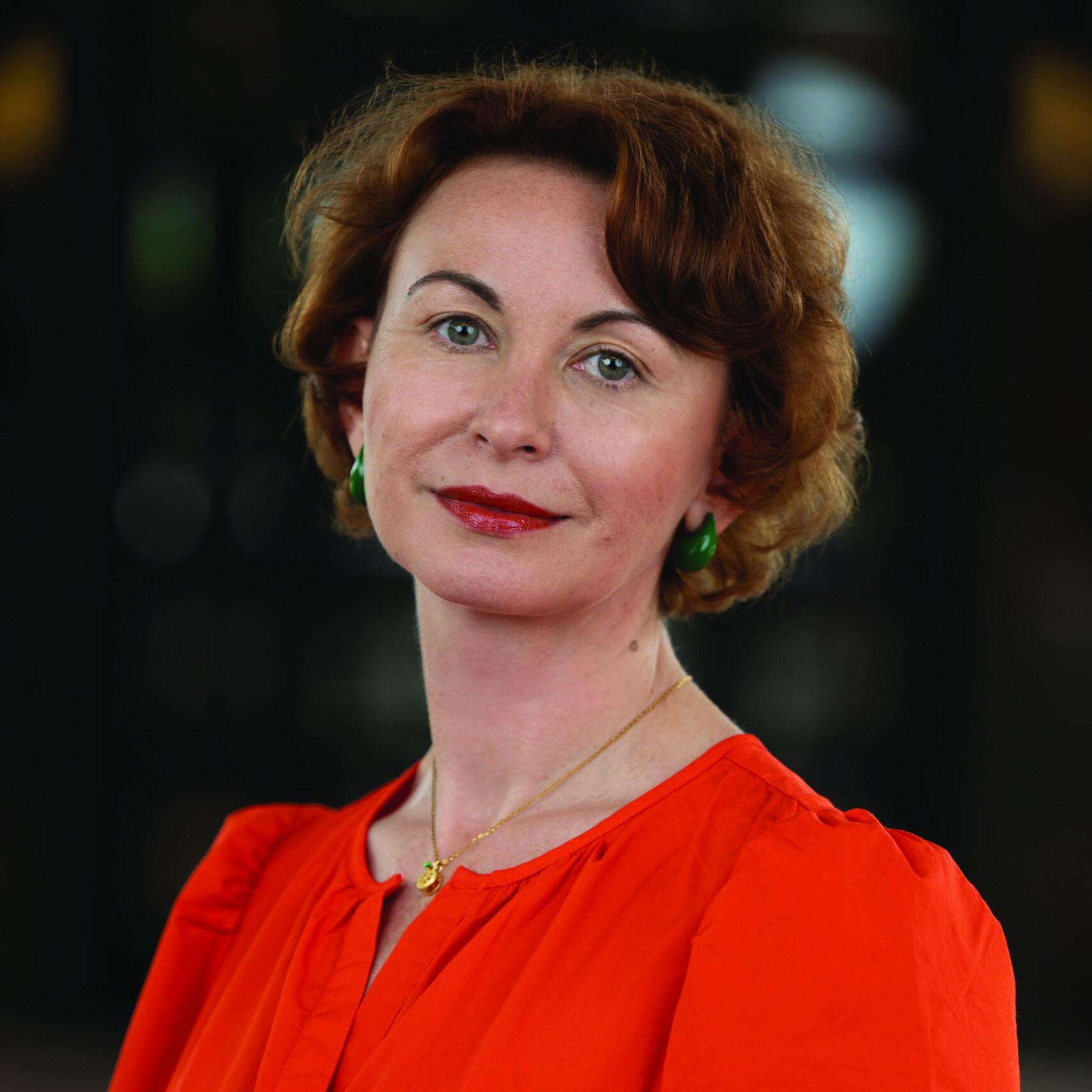 Each clinician presented a capstone case study illustrating how integrating palliative care principles improved patient-centered outcomes.
“From the beginning, our vision was to provide oncology clinicians with practical, sustainable primary palliative care skills that could immediately improve patient care across Michigan. Seeing those skills come to life in these capstone projects is incredibly rewarding.” – said Natalia Simon, MBA, MA, MOQC project manager, who leads this initiative.
CAPC faculty highlighted the growth they observed throughout the program.
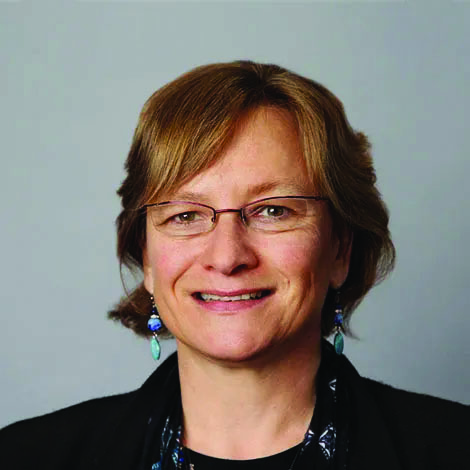 “I loved watching this cohort of learners assimilate concepts and grow in their palliative care skills. The capstone projects demonstrated the integration of comprehensive patient assessment with attention to physical, psychological, social, spiritual and cultural aspects of care. Moreover, learners exhibited enhanced communication skills in advance care planning, goals of care, and difficult news. Outcomes demonstrated learners’ new confidence in delivering culturally appropriate, patient-centered, goal concordant care, with the intention to further influence quality palliative care at their settings.” – shared Constance Dahlin, MSN, ANP-BC, ACHPN, FPCN, FAAN, CAPC Senior Nursing Advisor.
Participants described meaningful changes in their daily practice, from engaging caregivers more intentionally to asking open-ended questions like, “What does a good day look like for you?”
The Capstone Event was both a celebration and a milestone for the partnership between MOQC and CAPC.
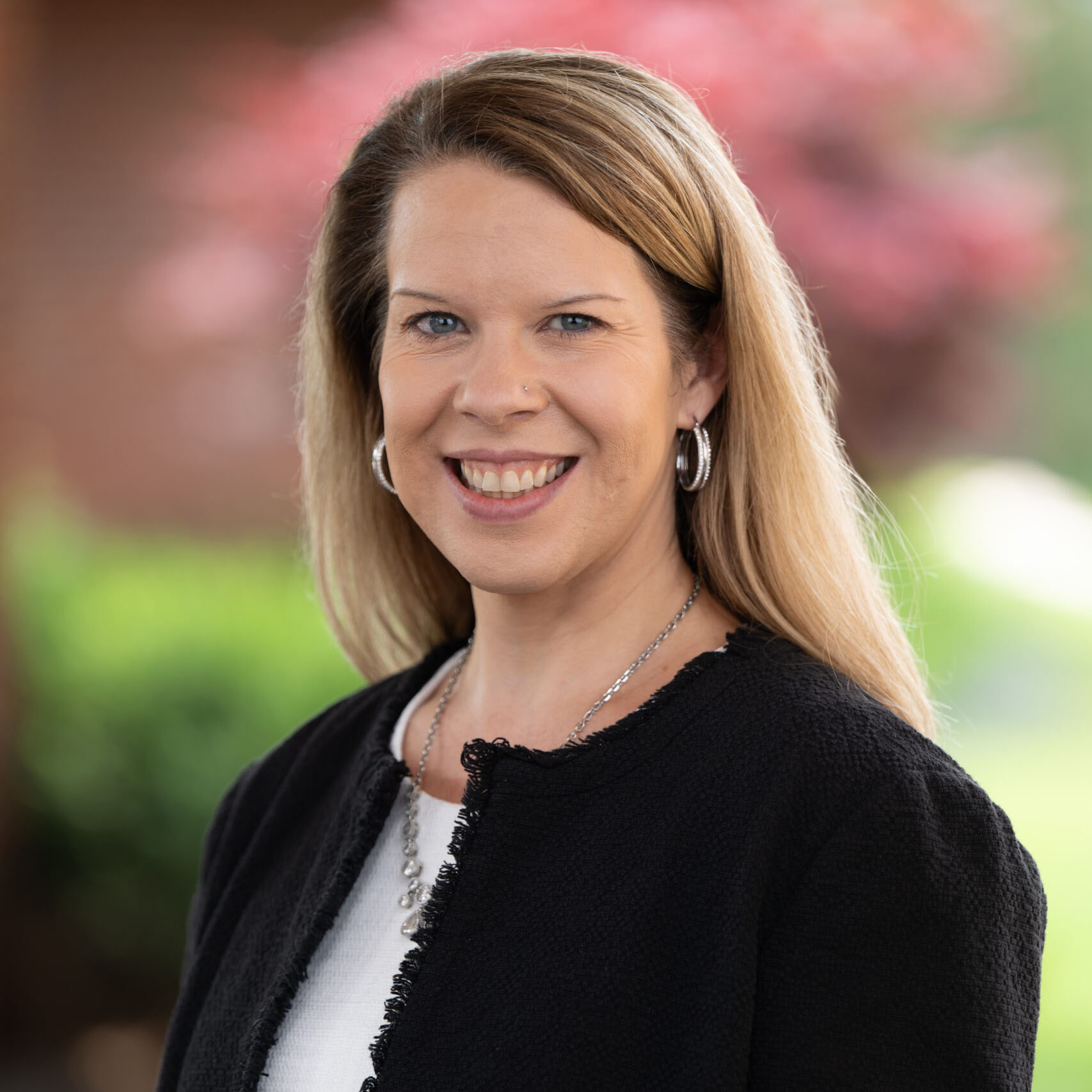 “This collaborative certificate program is already improving palliative care in Michigan. The statewide representation of clinicians in this first cohort ensures that access to palliative care will be better tomorrow than it is today for our patients with cancer and their caregivers.” – noted Keli DeVries, LMSW, MOQC Program Manager.
Building on this momentum, Cohort 2 will kick off on March 19 with 15 participants from MOQC practices and tribal clinics from across Michigan. We are thrilled to see such broad engagement and commitment to advancing palliative care statewide.
We are also grateful to BCBSM and CQIO for their support of Cohort 2 and for helping make possible a future Cohort 3, which will expand to an interdisciplinary group of nurses, social workers, pharmacists, and chaplains. This next phase reflects a shared dedication to strengthening team-based palliative care and ensuring patients and families across Michigan receive comprehensive, person-centered support throughout the cancer journey.